A lot of History
Here you will find quite a few of my reflections on various topics related to medieval history, with a particular focus on the Wars of the Roses and other similar disputes, in any time, in any place, and in any universe.
You can also find the same articles in Italian under the category “Articoli in Italiano”
-
It is early morning. You have just woken up in a bed, whether it is your own, a friend’s, or one in a hotel where you happen to be staying for a few days hardly matters.You lift your head from the pillow, rub your eyes, yawn and, after stretching for a while, get up.You leave…
-
Achilles stops eating. Job curses the day he was born. Tristan loses himself, and Catherine lets herself die of grief.They are all suffering, yet none of them says: Hey! I’m depressed. Depression, as we understand it today, is a modern diagnostic category, but literature has always told us stories of men and women who stop…
-
“…It told you what you most want is what you most can’t have and that the most you can’t have is what you already had and lost. It was a song of all the promises I failed to keep. And it told me I don’t really want to go home.“ This is one of the most…
-
There are people who seem to live in the past.People who find comfort in the pages of a history book, in the silence of a library, or among the shelves of an archive. People who ask nothing more of life than the chance to cover their hands in dust and immerse themselves in moments long…
-
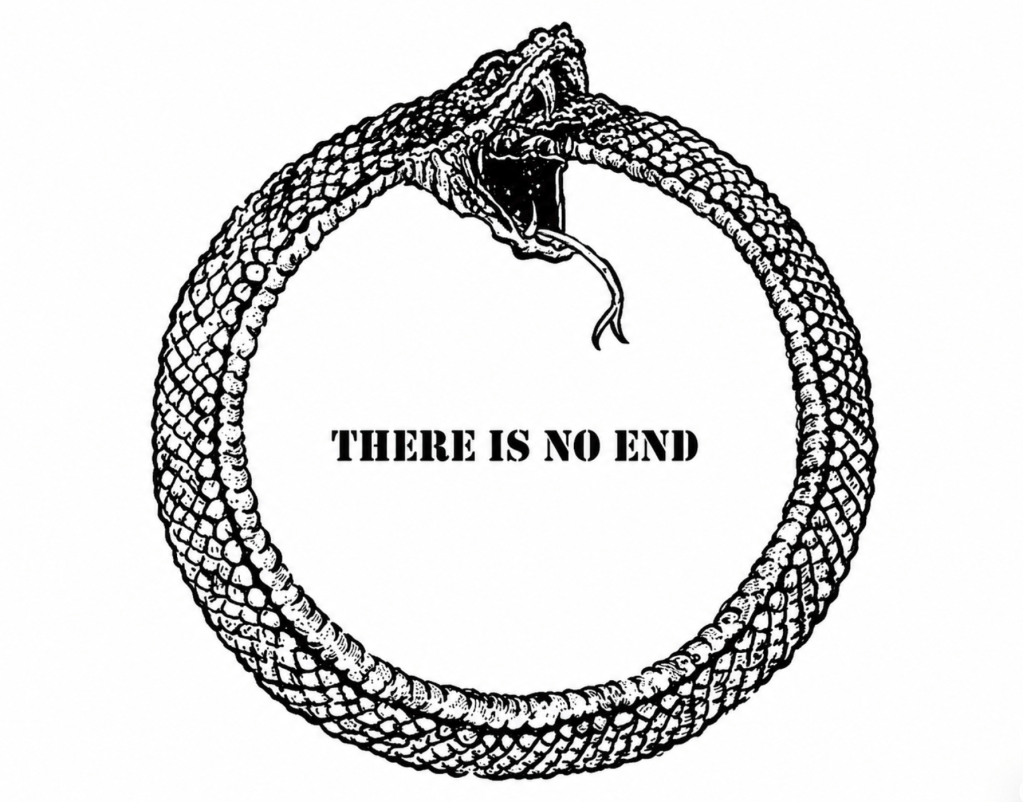
We only have one life. Or at least, we are conscious of living only one life at a time.We do not know whether we have been here before. We do not know how many times we have returned, nor how many times we may return again. What we do know is that we are alive…
-
I’ve always had a problem with myself, and with everything around me. I can never stop wondering how things might have turned out if they had taken a different direction from the one they actually did. To be clear, it’s not like I spend every day, every hour, imagining all the different ways my life,…
-
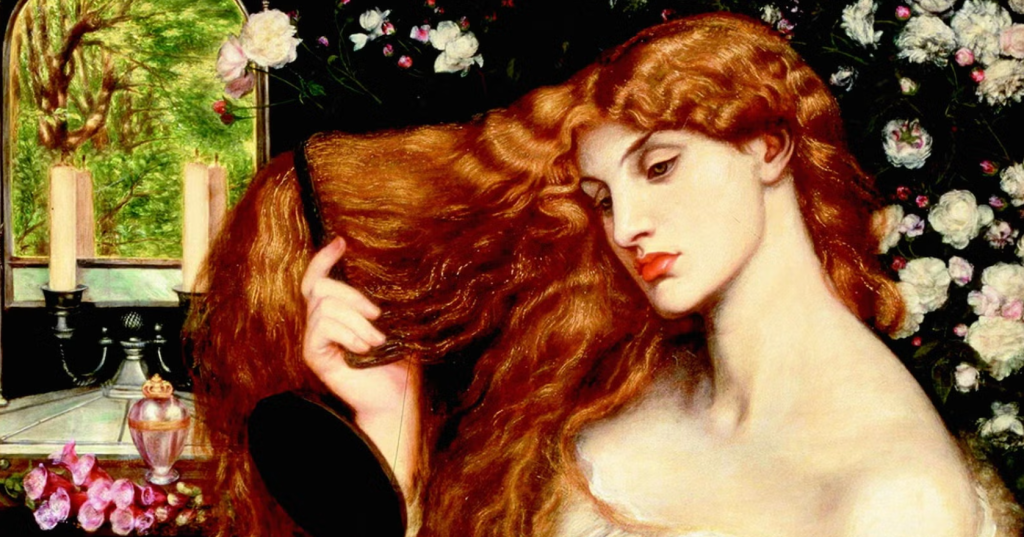
There is a figure that keeps resurfacing in books, discussions, astrology, and modern reinterpretations of history. Her name is Lilith, and she seems to change face every time someone tells her story. Now… a clarification is necessary right away, because over these thousands of years an incredible number of legends have been built around Lilith.…
-
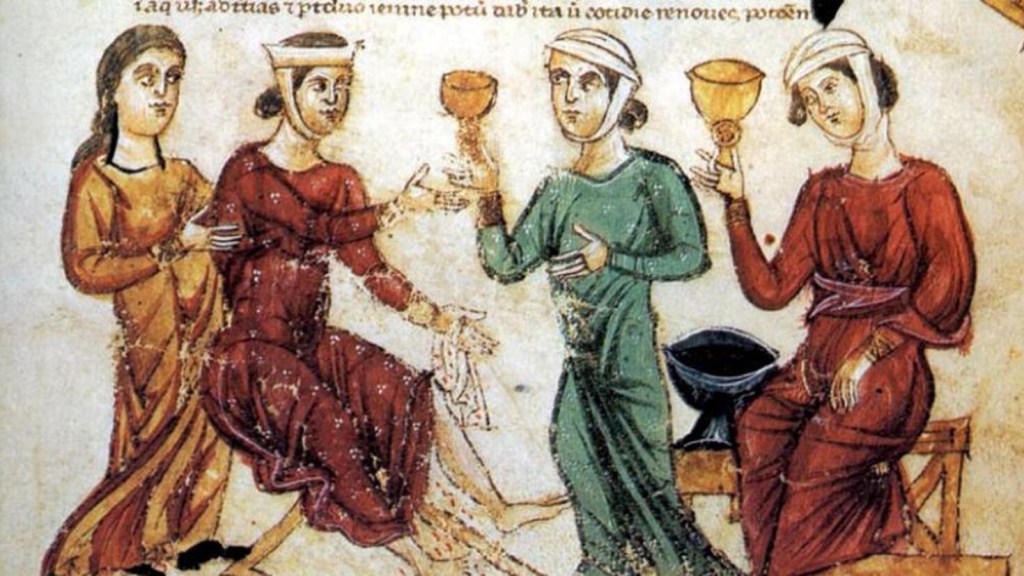
And if I told you that they did, how would you react?Yes, it was a harsh era… austere… so much so that perhaps someone needed to get high… or perhaps not.Maybe drugs, as we understand them today, were not meant to get people “high” at all… but let’s take this one step at a time.…
-
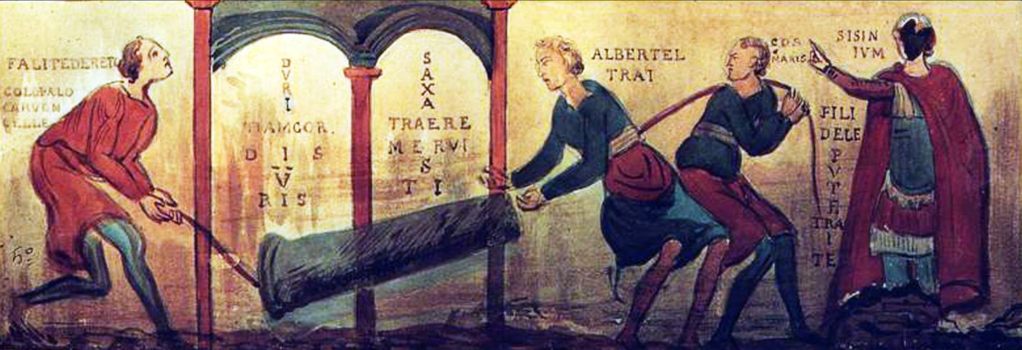
You probably think that swearing is a modern invention. That profanity belongs to us, the enlightened, irreverent present, and that in the Middle Ages, for instance, not only was it impossible, but it was actually quite likely that God would strike you down from the sky and set you on fire. Well, no. In the…
-
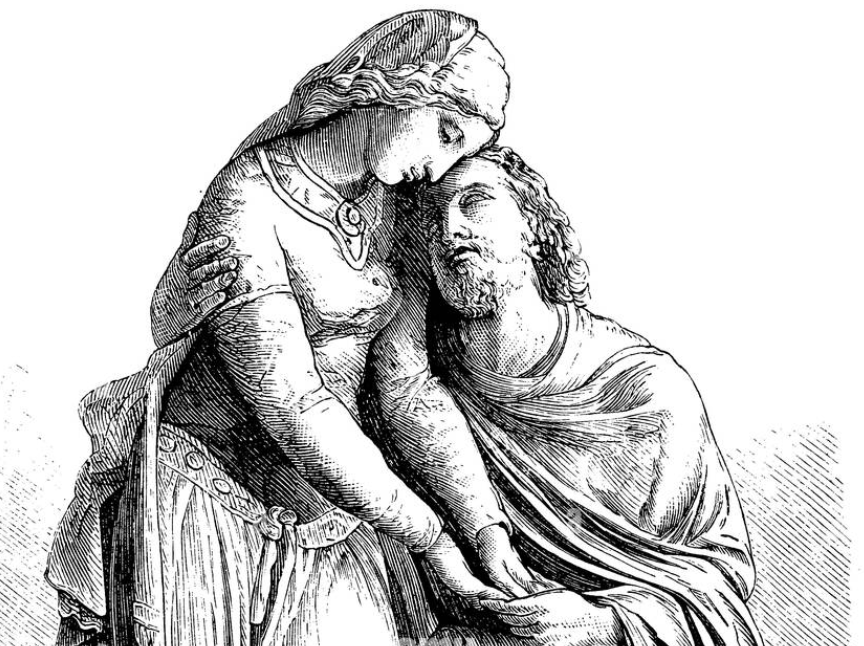
When the name Heloise is spoken, collective memory almost automatically turns to another figure: Pierre Abélard. Their love story, overwhelming, scandalous, tragic, has, over time, become one of the founding myths of Western romantic imagination. Yet to stop there is to betray precisely what makes Heloise an exceptional figure. For Heloise is not merely the…

