After his death, the body of Richard III was taken to Leicester, naked and with his hands bound in front of him, as if he were the worst of traitors. His body bore the marks of the blows inflicted by the Tudor mercenaries and the treacherous Stanleys, along with numerous post-mortem wounds, deliberate acts of scorn and humiliation.
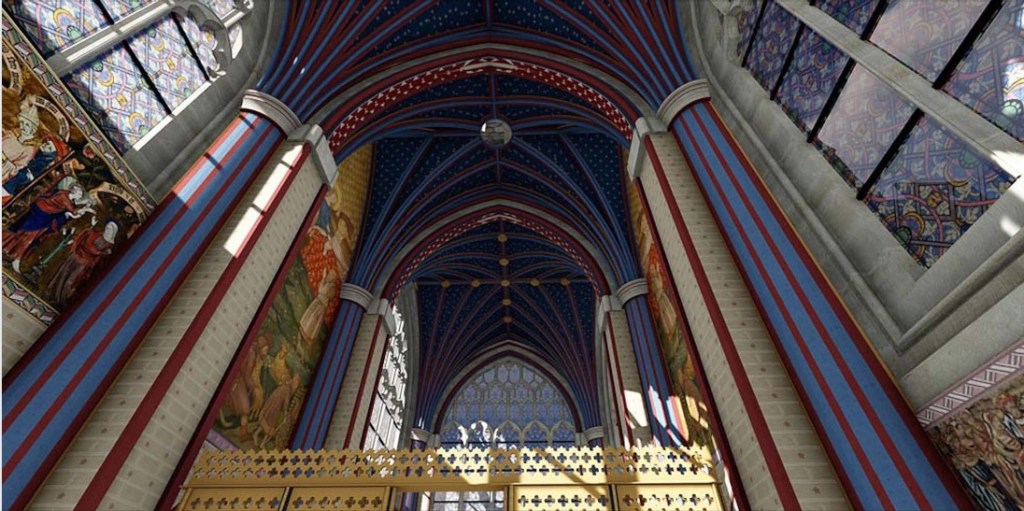
According to chronicles, his corpse was publicly displayed in the Church of the Annunciation of the Blessed Virgin Mary, located in the Newarke district of Leicester. The display had a clear political purpose: to prove that Richard III was dead and that his adversary, Henry Tudor had triumphed. Chronicles, such as one preserved in the British Library, recount that Richard’s body was shown “naked as when he was born” so that “many could see him.” This act was not merely a declaration of victory but also a means to deter any potential rebellions by Richard’s supporters.

Now tell me, is this the behavior of a legitimate king? Is it fitting for a sovereign to celebrate his victory by mutilating the body of his enemy, humiliating him, and parading his remains before the world as a trophy of barbarity?
Henry VII stole that crown. Henry VII feared Richard, and with that act, which, sadly, was not even his most vile deed, he revealed his true nature. He continued his campaign of slander with relentless propaganda, entrusted to his loyal servants, starting with Thomas More, to tarnish Richard’s memory. In doing so, he declared to the world that he was a wretched man upon whose head rested a bloodstained crown, obtained through deceit and treachery.
(Nothing remains of the church except for two arches.)
Like this? Support my work on Ko-fi and help me tell the stories no one else dares to: https://ko-fi.com/elizabethrasicci
 Beyond Death
Lascia un commento