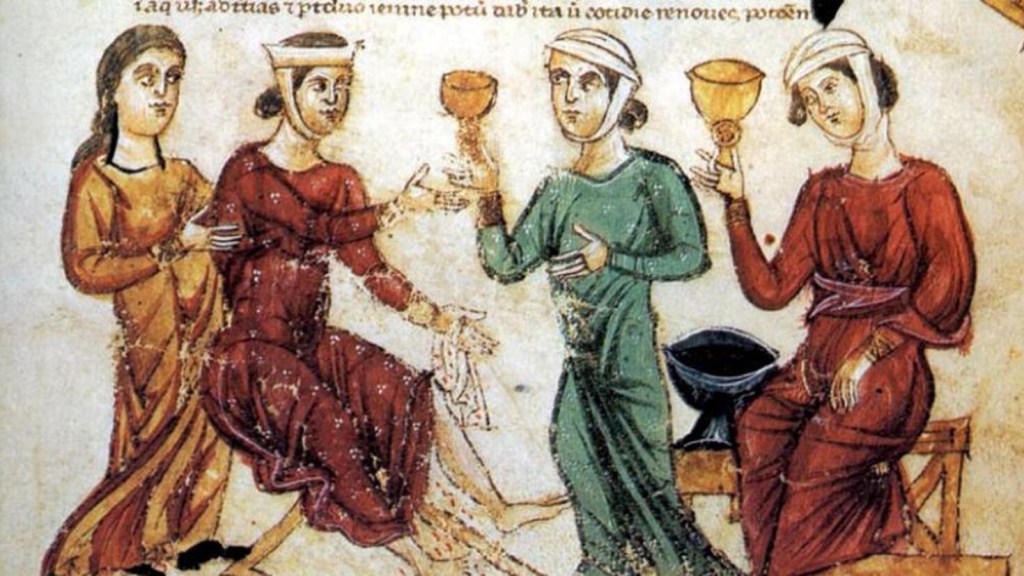
And if I told you that they did, how would you react?
Yes, it was a harsh era… austere… so much so that perhaps someone needed to get high… or perhaps not.
Maybe drugs, as we understand them today, were not meant to get people “high” at all… but let’s take this one step at a time.
Drugs did exist, very much so, they just weren’t called “drugs.”
Alcohol, for example, was an integral part of daily life. Beer and wine were not luxuries but necessities. Water was often contaminated and unsafe. Alcohol therefore became an everyday beverage, but also an analgesic, a disinhibitor, a social tool. In taverns, at banquets, in monasteries: drinking was normal.
And then there were the herbs… the ones we would today, quite simply, call “drugs.”
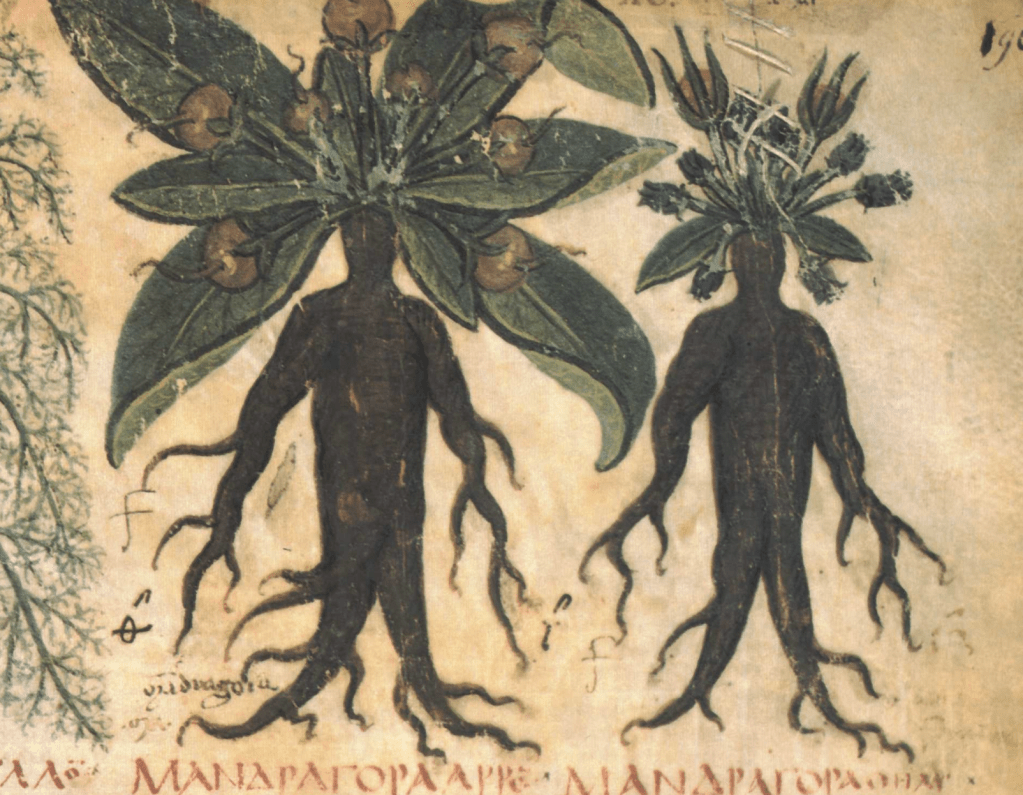
Mandrake was perhaps the most famous. Not only because of its almost human-shaped root, which fueled legends, but because of its sedative properties. It was used to induce sleep, ease pain, calm deep agitation. In some medical traditions, infusions or medicated wines were prepared to “switch off” the patient before particularly painful procedures. The issue was dosage: what sedated could also cause delirium, hallucinations, tachycardia. It was a powerful and dangerous medicine at the same time.
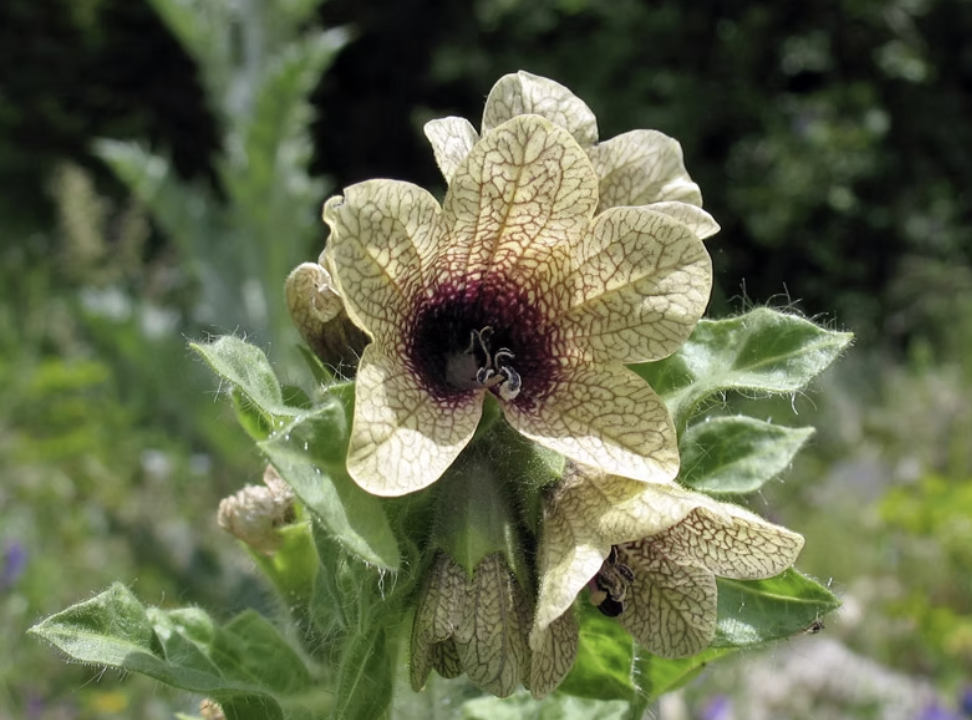
Henbane had a similar profile. It was used to promote sleep, calm spasms, reduce intense pain. It appears in many medieval medical recipes and, when mixed with other plants, helped create preparations that today we might describe as rudimentary anesthetics. Side effects were not uncommon: confusion, fever, altered states of consciousness. It is hardly surprising that, over time, narratives of witchcraft accumulated around such substances. It was not magic, but pure plant chemistry.
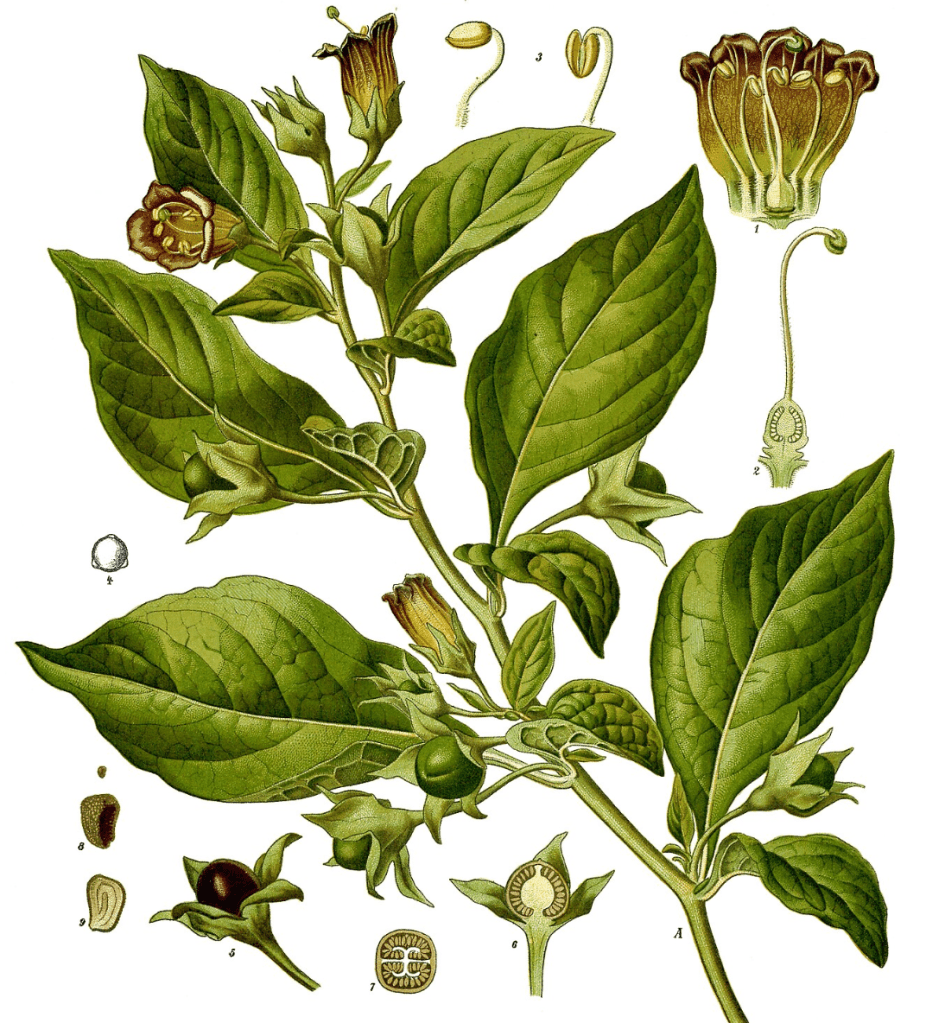
Belladonna, a close relative of the previous plants, was used to calm spasms and pain. Later it became famous for a cosmetic use, dilating the pupils, considered seductive, but already in the Middle Ages it was known for its effects on the nervous system. Here too, the line between remedy and poison was extremely thin. One dose could relieve; too much could seriously endanger the patient.
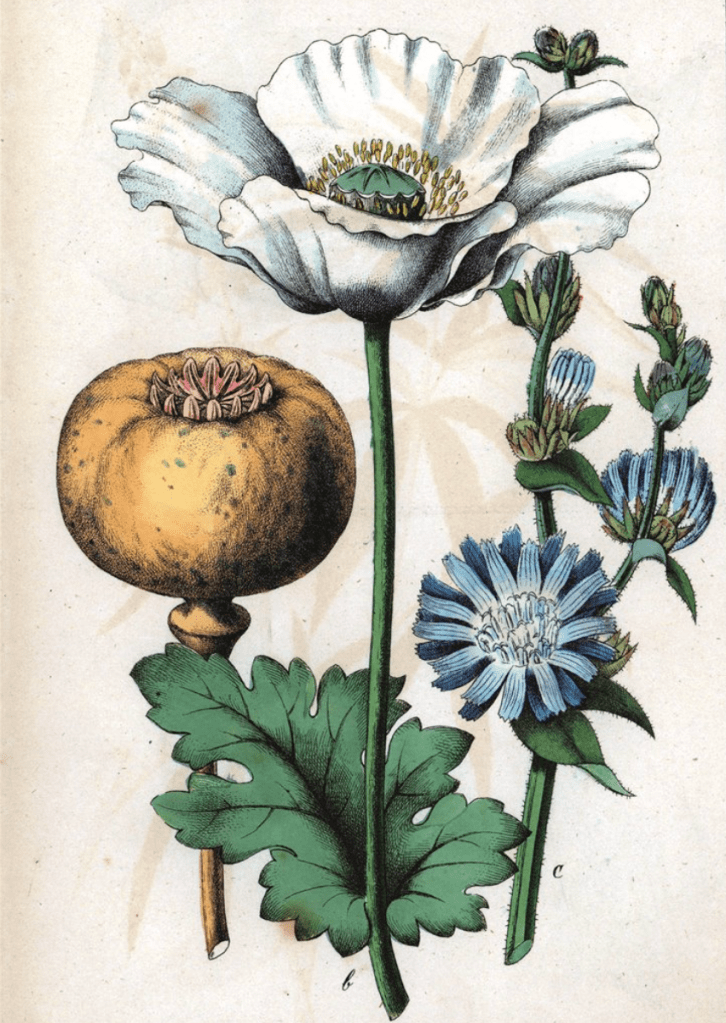
And then there was opium… arguably the most effective of all. Derived from the poppy, it was used to relieve pain, induce sleep, calm coughs, and slow intestinal disorders. It had been known since antiquity, and medieval medicine inherited its use. It truly worked. And precisely because it worked, it was powerful, capable of causing dependence, inducing very deep sleep, sometimes dangerously so.
The point is that in the Middle Ages these substances had a clear purpose: to switch off pain, to calm agitation, to manage the body when medicine had very few tools.
People were not seeking a “high” in the modern sense of the word… they were seeking relief.
And perhaps this is the most interesting aspect: human beings have never stopped wanting to alter their consciousness. To survive, to heal, to escape, to connect with the divine, or simply to sleep. The Middle Ages were no exception… it was not an innocent era, just a profoundly human one.
 Beyond Death
Lascia un commento