tudor
-
Io ho sempre avuto un problema con me stessa e con tutto quello che mi gira intorno. E cioè che non riesco mai a fare a meno di pensare a come sarebbero andate le cose se avessero preso una piega diversa da quella attuale, da quella reale. Sia ben chiaro, non è che sto tutti…
-
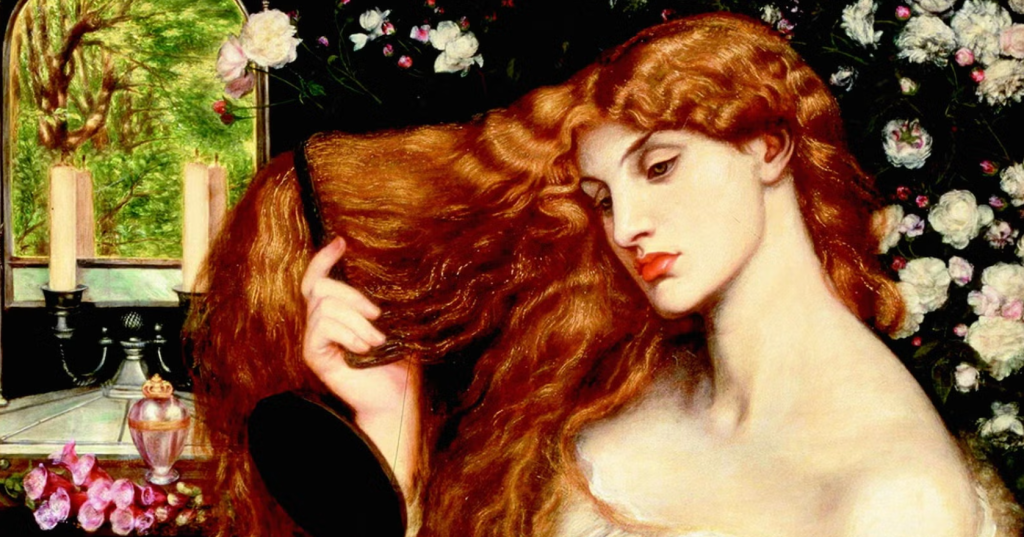
There is a figure that keeps resurfacing in books, discussions, astrology, and modern reinterpretations of history. Her name is Lilith, and she seems to change face every time someone tells her story. Now… a clarification is necessary right away, because over these thousands of years an incredible number of legends have been built around Lilith.…
-
C’è una figura che spesso torna fuori nei libri, nelle discussioni, nell’astrologia e nelle riletture moderne della storia. Il suo nome è Lilith e sembra cambiare volto ogni volta che qualcuno la racconta. Ora… qui bisogna fare subito una premessa, perché in tutti questi millenni di vita su Lilith si sono costruite una quantità di…
-
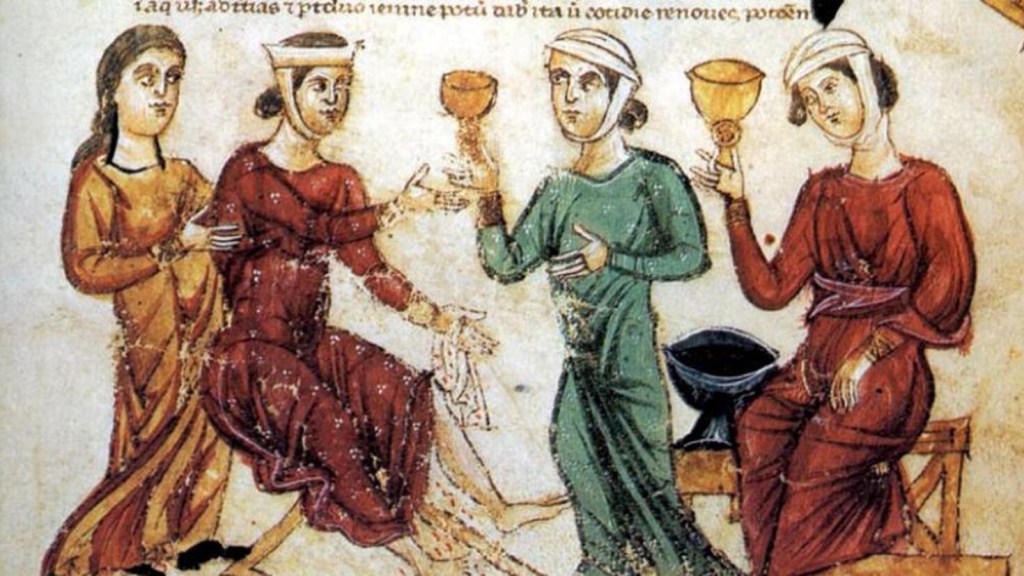
And if I told you that they did, how would you react?Yes, it was a harsh era… austere… so much so that perhaps someone needed to get high… or perhaps not.Maybe drugs, as we understand them today, were not meant to get people “high” at all… but let’s take this one step at a time.…
-
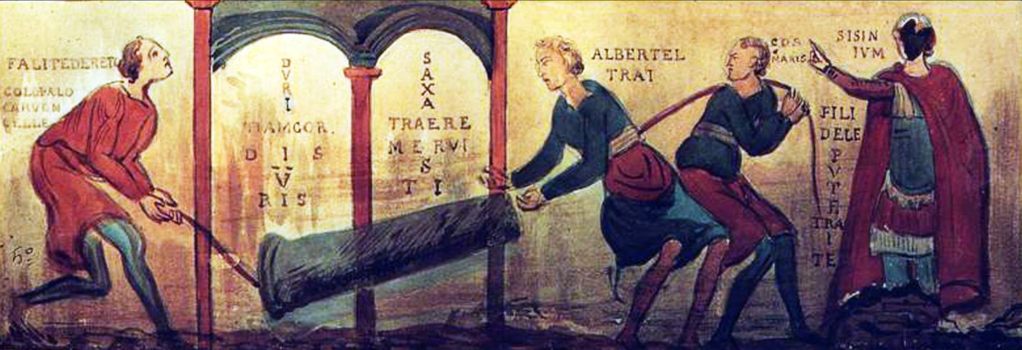
You probably think that swearing is a modern invention. That profanity belongs to us, the enlightened, irreverent present, and that in the Middle Ages, for instance, not only was it impossible, but it was actually quite likely that God would strike you down from the sky and set you on fire. Well, no. In the…
-
Ora voi credete che solo noi usiamo le parolacce. Che imprecare ce lo siamo inventati noi moderni e che nel Medioevo, per esempio, non solo fosse impossibile, ma fosse pure probabile che Dio ti fulminasse dal cielo dandoti fuoco. Ebbene no. Nel Medioevo (ma ovviamente anche nelle epoche precedenti) le parolacce si dicevano, eccome! E…
-
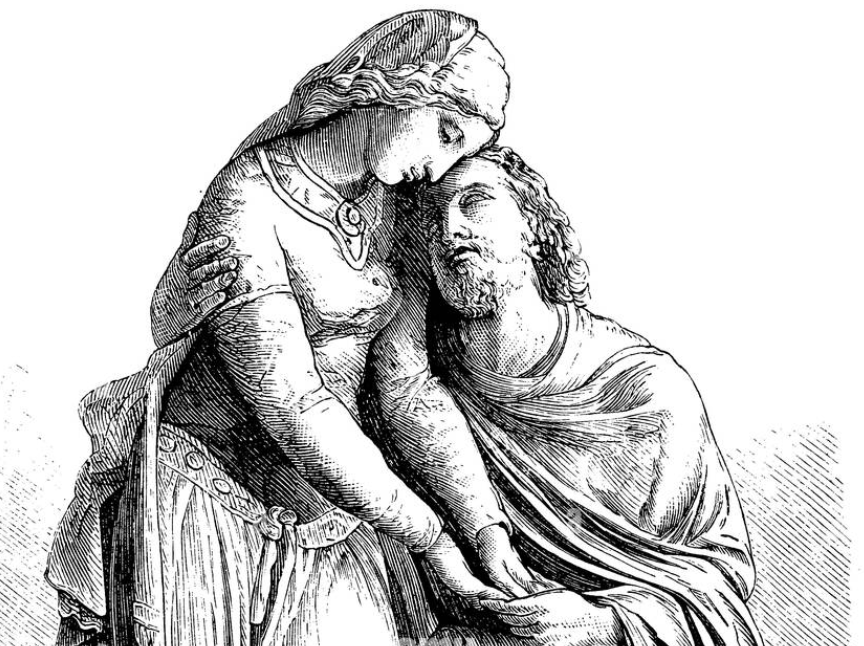
When the name Heloise is spoken, collective memory almost automatically turns to another figure: Pierre Abélard. Their love story, overwhelming, scandalous, tragic, has, over time, become one of the founding myths of Western romantic imagination. Yet to stop there is to betray precisely what makes Heloise an exceptional figure. For Heloise is not merely the…
-
Quando si pronuncia il nome di Eloisa, la memoria collettiva corre quasi automaticamente a un’altra figura: Pietro Abelardo.La loro storia d’amore, travolgente, scandalosa, tragica, è diventata nel tempo uno dei grandi miti fondativi dell’Occidente sentimentale. Ma fermarsi lì significa tradire proprio ciò che rende Eloisa una figura eccezionale. Perché Eloisa non è solo una protagonista…
-

Objects, as we know, travel through time. And sometimes monuments or chronicles are not needed: a single line of ink, a signature, a motto slipped into the margin of a book is enough to bring back to the surface, after five centuries, a truth of identity. In the first part (here), we followed the most…
-
Gli oggetti, si sa, viaggiano nel tempo. E a volte non servono monumenti, né cronache: basta una riga d’inchiostro, una firma, un motto infilato nel margine di un libro per far riaffiorare, dopo cinque secoli, una verità di identità. Nella prima parte (qui per leggerlo) abbiamo seguito la traccia più criptica: “sans removyr elyzabeth”, vergata…

