the white queen
-

Quante volte abbiamo avuto la sensazione di conoscere un luogo mai visitato o di avere un legame speciale con qualcuno appena incontrato? O ancora, quante volte abbiamo trovato somiglianze con un personaggio storico o sentito l’impulso di compiere azioni che sembrano appartenere a un altro tempo?Certo, tutti vorremmo pensare di essere stati Napoleone o Maria…
-

WARNING: LONG POST – Reading time: 5 minutes if you read fast 😀 I often hear people say that the marriage between Elizabeth of York and Henry VII was, despite being political, also a love match. Apparently, he was deeply attached to his wife, respected her, and when she died, he spent a fortune on…
-
ATTENZIONE POST LUNGO – tempo di lettura 5 minuti se vai veloce 😀 Spesso mi sento ripetere che il matrimonio tra Elisabetta di York ed Enrico VII fosse, pur essendo politico, anche un matrimonio d’amore. A quanto pare, lui era molto legato alla moglie, la rispettava e, quando lei morì, spese una fortuna per il…
-

Erano circa le 9 di sera quando Elizabeth morì. Dopo la nascita di sua figlia Katherine, iniziò per lei un’agonia di quasi due settimane: dolori lancinanti, febbre ed emorragie incessanti la portarono alla morte l’11 febbraio 1503. L’11 febbraio era anche la sua data di nascita. Aveva appena compiuto 37 anni. Elizabeth era la primogenita…
-
It was around 9 p.m. when Elizabeth died. After giving birth to her daughter Katherine, she endured almost two weeks of agony, excruciating pain, fever, and relentless hemorrhages led her to her death on February 11, 1503. February 11 was also her birthday. She had just turned 37. Elizabeth was the eldest daughter of King…
-
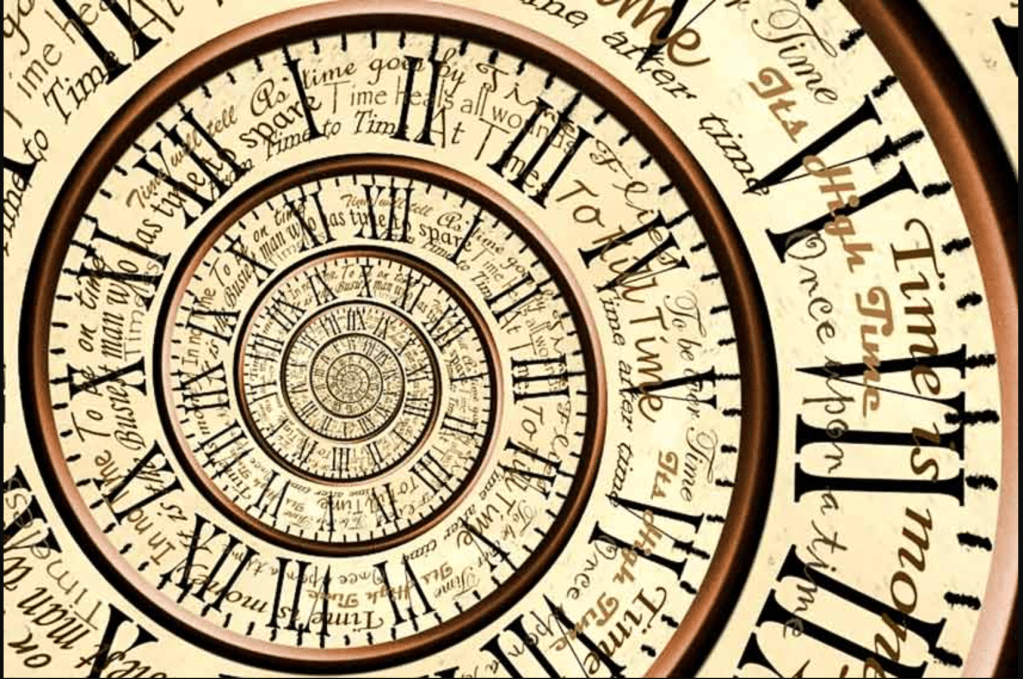
We are accustomed to thinking of history as a sequence of events unfolding progressively. However, if we closely examine the past, recurring patterns emerge—events that repeat with unsettling precision, leaving us with one fundamental question: could time be circular? Various civilizations have believed in the cyclical nature of time. In ancient India, the concept of…
-

Era il 4 febbraio 2013. Le 11:00 stavano per arrivare e all’Università di Leicester c’era un fermento palpabile. In quella sala erano presenti giornalisti, storici, appassionati, scienziati… tutti, proprio tutti, pronti a testimoniarlo. Torniamo indietro di sei mesi. IL 25 Agosto 2012, sotto il freddo cemento di un parcheggio privato a Leicester, veniva rinvenuto uno…
-

The Middle Ages, as we know, were a time when having many children was considered almost an obligation (let’s put it that way!). Because of this, the mortality rate for women due to pregnancy and childbirth was extremely high, around 50%. In other words, you either survived or died; there was no middle ground. Today,…
-
Il Medioevo, si sa, era un’epoca in cui fare molti figli era considerato quasi un lavoro (diciamo così!), e proprio per questo la mortalità femminile legata a gravidanze e parti era altissima: circa il 50%. Insomma, o sopravvivevi o morivi, non c’erano vie di mezzo. Oggi voglio parlarvi del protocollo post-partum seguito all’epoca dei Tudor.…
-

Tonight, I couldn’t sleep (a strange occurrence, really, since I can usually sleep anytime, anywhere!). As my mind wandered between one thought and the next, it inevitably returned to one of my obsessions: the “What ifs” of history. If you’re not familiar with the term, let me explain briefly: “What ifs” are hypothetical scenarios that…

