richard III
-
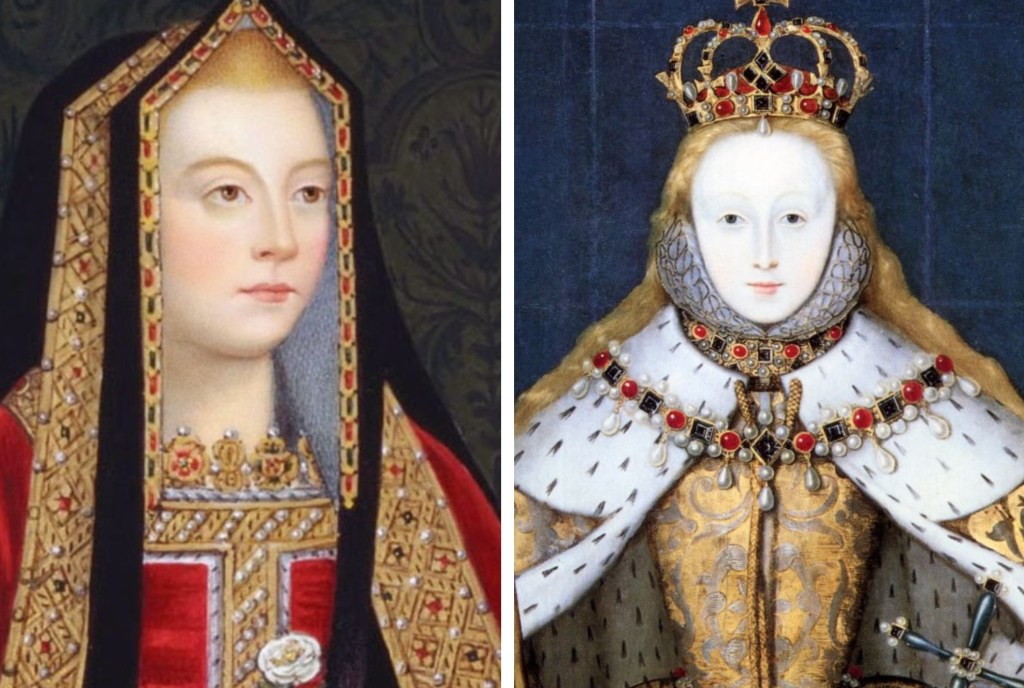
There is something extraordinarily symbolic in the story of Elizabeth of York and her niece, Elizabeth I. Two women, same name, same blood. One at the dawn, the other at the dusk of the Tudor dynasty. And exactly one hundred years lie between them. Elizabeth of York died in 1503. Elizabeth I in 1603. A…
-
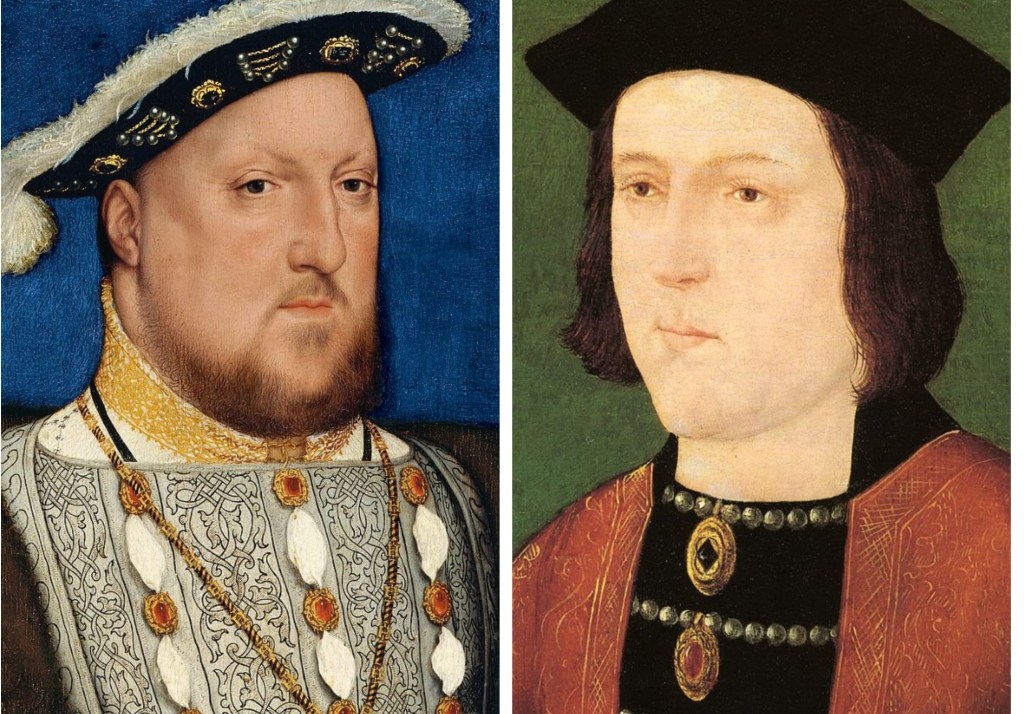
So… sit back and get comfortable, because we all know Henry VIII, right? A big, burly man… red hair… six wives, a split-in-two England, and an appetite for power (and food) that would make any living—or dead—human pale in comparison…? Got the image? Good! But perhaps few remember that before him, there was his grandfather……
-

“History is written by the victors.” And never has this phrase been truer especially when it comes to Richard III. For centuries, Richard’s name has been synonymous with tyranny, treachery, and cruelty. A deformed king, power-hungry, even capable of murdering his own nephews just to cling to the throne. This is the image etched in…
-

If I were to mention these two names: Richard III and Harald Sigurdsson, you might not immediately see why I have chosen to place them together in the same sentence. And yet, these two kings have far more in common than one might imagine. History is filled with rulers whose greatness was overshadowed by the…
-

WARNING: LONG POST – Reading time: 5 minutes if you read fast 😀 I often hear people say that the marriage between Elizabeth of York and Henry VII was, despite being political, also a love match. Apparently, he was deeply attached to his wife, respected her, and when she died, he spent a fortune on…
-

It was around 9 p.m. when Elizabeth died. After giving birth to her daughter Katherine, she endured almost two weeks of agony, excruciating pain, fever, and relentless hemorrhages led her to her death on February 11, 1503. February 11 was also her birthday. She had just turned 37. Elizabeth was the eldest daughter of King…
-

It was February 4, 2013. 11:00 was fast approaching, and there was a palpable buzz at the University of Leicester. In that room, there were journalists, historians, enthusiasts, scientists… everyone, absolutely everyone, ready to bear witness. Let’s go back six months. On August 25, 2012, beneath the cold concrete of a private parking lot in…
-
Era il 4 febbraio 2013. Le 11:00 stavano per arrivare e all’Università di Leicester c’era un fermento palpabile. In quella sala erano presenti giornalisti, storici, appassionati, scienziati… tutti, proprio tutti, pronti a testimoniarlo. Torniamo indietro di sei mesi. IL 25 Agosto 2012, sotto il freddo cemento di un parcheggio privato a Leicester, veniva rinvenuto uno…
-

Tonight, I couldn’t sleep (a strange occurrence, really, since I can usually sleep anytime, anywhere!). As my mind wandered between one thought and the next, it inevitably returned to one of my obsessions: the “What ifs” of history. If you’re not familiar with the term, let me explain briefly: “What ifs” are hypothetical scenarios that…
-
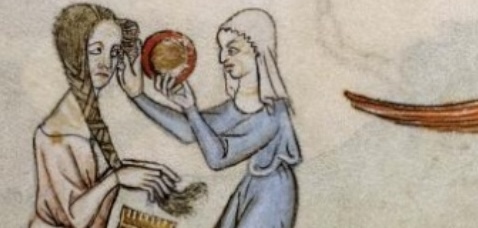
In the Middle Ages, kings and queens used perfumes both to distinguish themselves and for hygienic purposes. However, the fragrances of the time were generally simple, often derived from natural ingredients that were either locally sourced or imported from distant lands. There is historical evidence and references to the use of perfumes, essential oils, and…
 Beyond Death