history
-

When we think of the Middle Ages, we often picture dirty, sickly people, foul-smelling streets, and a complete lack of hygiene. But was it really like that? Let’s debunk a myth… In reality, personal hygiene was more common than we might think, though the practices were quite different from ours (which makes some of them…
-

How many times have we felt like we knew a place we had never visited or had a special connection with someone we just met? Or perhaps we’ve noticed striking resemblances to a historical figure or felt an inexplicable urge to act in ways that seem to belong to another era. Of course, we’d all…
-
Quante volte abbiamo avuto la sensazione di conoscere un luogo mai visitato o di avere un legame speciale con qualcuno appena incontrato? O ancora, quante volte abbiamo trovato somiglianze con un personaggio storico o sentito l’impulso di compiere azioni che sembrano appartenere a un altro tempo?Certo, tutti vorremmo pensare di essere stati Napoleone o Maria…
-

WARNING: LONG POST – Reading time: 5 minutes if you read fast 😀 I often hear people say that the marriage between Elizabeth of York and Henry VII was, despite being political, also a love match. Apparently, he was deeply attached to his wife, respected her, and when she died, he spent a fortune on…
-

The landscape of love stories that have shaped history is vast, immense even, but few are as poignant and intense as that of Abelard and Héloïse. Theirs was a forbidden, painful, and contested love, yet one that left an indelible mark on literature and Western thought. But who were Abelard and Héloïse?Peter Abelard was one…
-

It was around 9 p.m. when Elizabeth died. After giving birth to her daughter Katherine, she endured almost two weeks of agony, excruciating pain, fever, and relentless hemorrhages led her to her death on February 11, 1503. February 11 was also her birthday. She had just turned 37. Elizabeth was the eldest daughter of King…
-
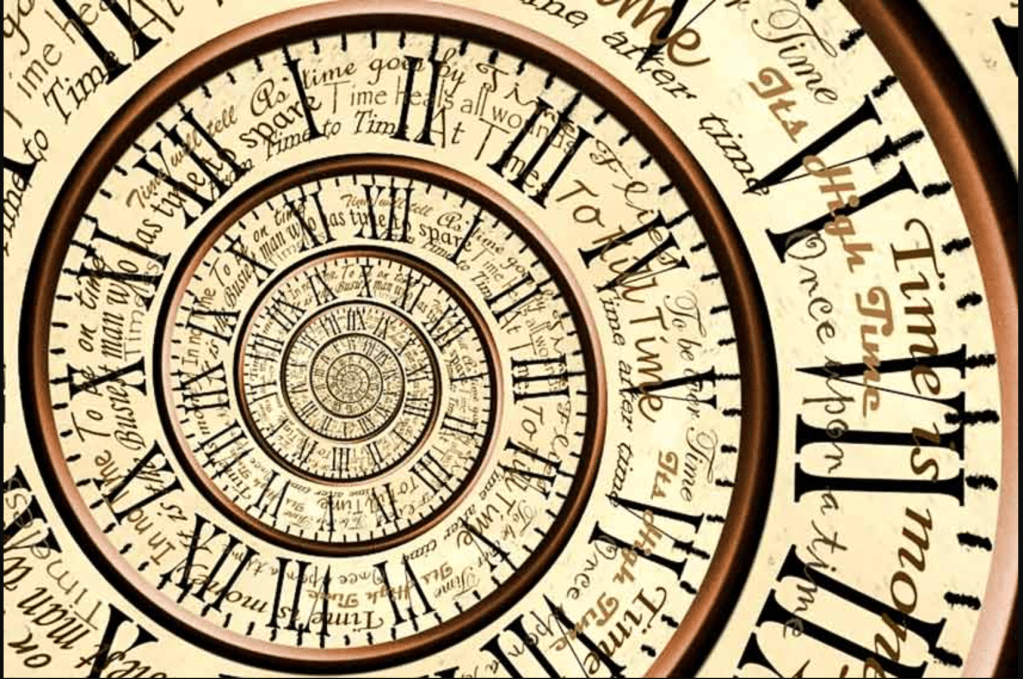
We are accustomed to thinking of history as a sequence of events unfolding progressively. However, if we closely examine the past, recurring patterns emerge—events that repeat with unsettling precision, leaving us with one fundamental question: could time be circular? Various civilizations have believed in the cyclical nature of time. In ancient India, the concept of…
-

It was February 4, 2013. 11:00 was fast approaching, and there was a palpable buzz at the University of Leicester. In that room, there were journalists, historians, enthusiasts, scientists… everyone, absolutely everyone, ready to bear witness. Let’s go back six months. On August 25, 2012, beneath the cold concrete of a private parking lot in…
-
Era il 4 febbraio 2013. Le 11:00 stavano per arrivare e all’Università di Leicester c’era un fermento palpabile. In quella sala erano presenti giornalisti, storici, appassionati, scienziati… tutti, proprio tutti, pronti a testimoniarlo. Torniamo indietro di sei mesi. IL 25 Agosto 2012, sotto il freddo cemento di un parcheggio privato a Leicester, veniva rinvenuto uno…
-

If I said the word “godemiché” what would come to mind? Wait, let’s take a step back. In ancient Greece and ancient Rome, sexual satisfaction was considered a fundamental aspect of life. Even then, objects designed exclusively for female pleasure existed, often with purposes that were not even too subtly voyeuristic. In short, pleasure was…
 Beyond Death