history
-
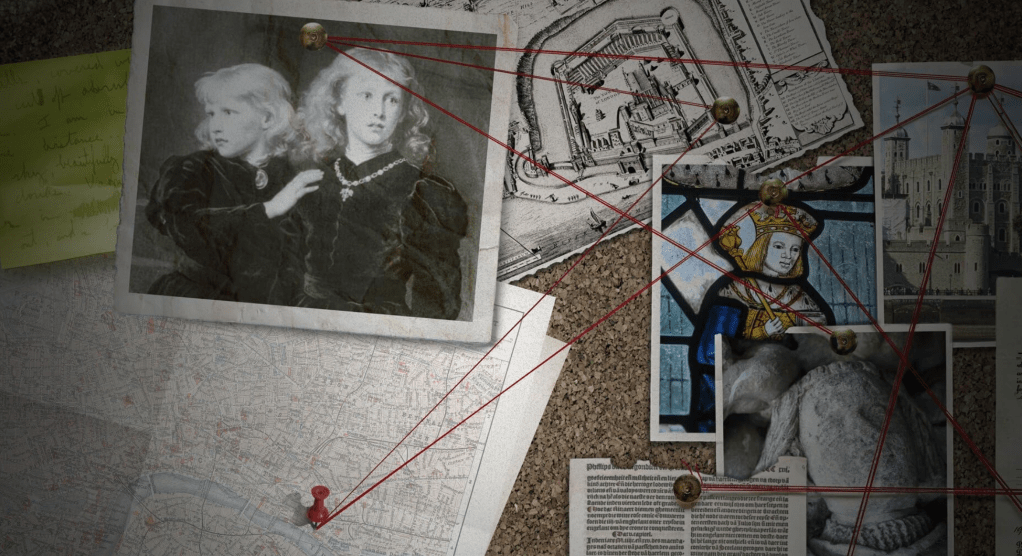
For centuries, it has been taught that Richard III, the last king of the House of York, was the murderer of his nephews. Two children, Edward and Richard, locked in the Tower of London in 1483 and never seen again. “They disappeared,” they said… but in the history books, the accusation has always been clear:…
-

1792.We are in the heart of the French Revolution. The Tuileries are under siege. Among the many items stolen, torn apart, thrown away, or burned… someone takes a small notebook, bound in 82 pages. Inside, the handwriting is tiny and precise. No one could have imagined what it contained.That manuscript survived the laceration of the…
-

Often, when we think of the Middle Ages, we tend to imagine that historical period as one of darkness, punishments, plagues, and chastity pushed to the limits of asexuality. As if having sex, or even just thinking about sex, were so forbidden that no one dared, under penalty of death. In reality, nothing could be…
-

Have you ever felt like you deeply belong to something or someone?Like you’ve already seen an object, or you know someone deeply even though you’ve never truly met?Like you’ve had déjà vu or the feeling of already having been in a place… seen those eyes before, known that voice, even though you’ve never seen that…
-
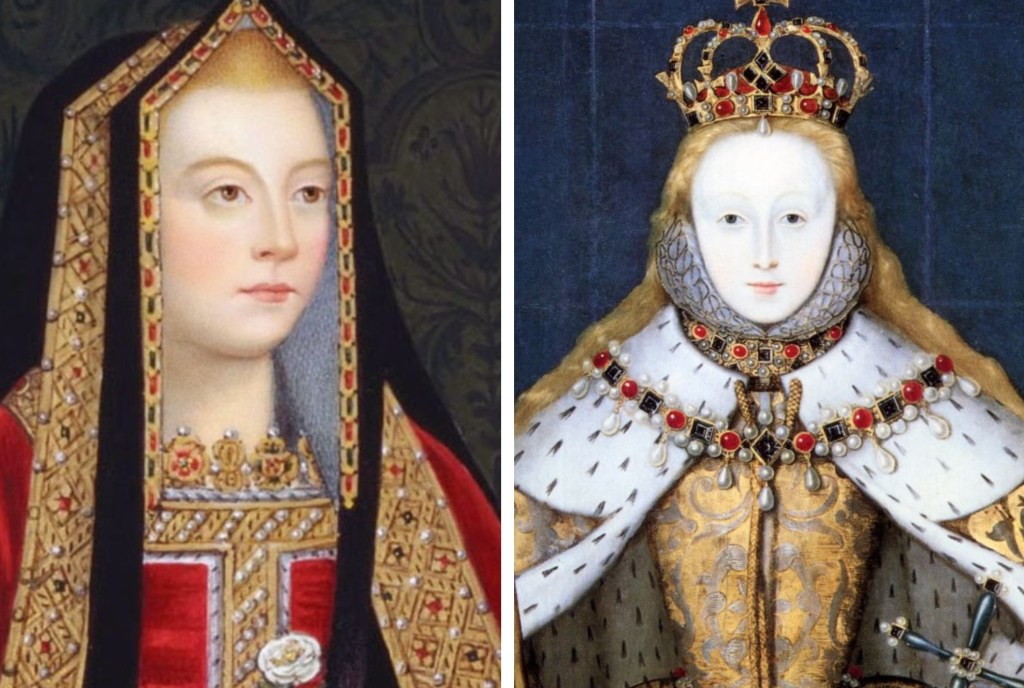
There is something extraordinarily symbolic in the story of Elizabeth of York and her niece, Elizabeth I. Two women, same name, same blood. One at the dawn, the other at the dusk of the Tudor dynasty. And exactly one hundred years lie between them. Elizabeth of York died in 1503. Elizabeth I in 1603. A…
-
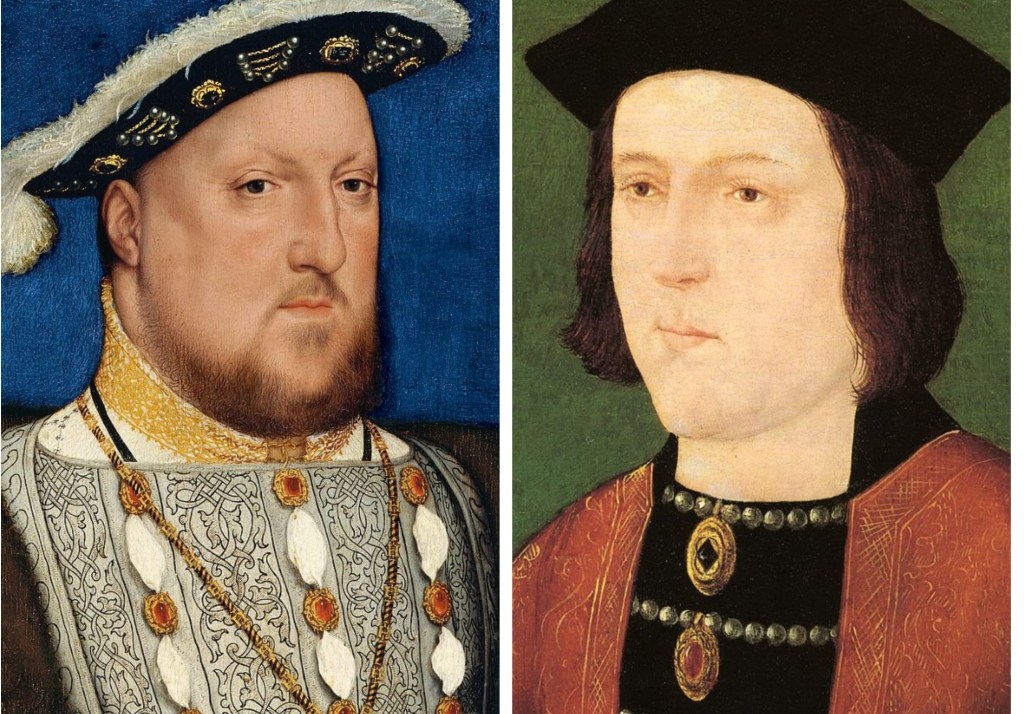
So… sit back and get comfortable, because we all know Henry VIII, right? A big, burly man… red hair… six wives, a split-in-two England, and an appetite for power (and food) that would make any living—or dead—human pale in comparison…? Got the image? Good! But perhaps few remember that before him, there was his grandfather……
-
Allora… sedetevi comodi e iniziamo col dire che tutti noi conosciamo Enrico VIII, giusto? Lui, un omone alto, massiccio… capelli rossi… sei mogli, un’Inghilterra spaccata in due e un appetito per il potere (e per il cibo) che farebbe impallidire qualsiasi essere umano, vivente e non…? Ce l’avete presente? Bene! Ma forse in pochi ricordano…
-

“Eroticism is the approval of life all the way into death.” Georges Bataille At the heart of every authentic erotic experience lies a desire that goes far beyond physical pleasure: an ancient, almost religious need for total union, for the dissolution of boundaries between self and other, between flesh and the invisible. Georges Bataille described…
-

“History is written by the victors.” And never has this phrase been truer especially when it comes to Richard III. For centuries, Richard’s name has been synonymous with tyranny, treachery, and cruelty. A deformed king, power-hungry, even capable of murdering his own nephews just to cling to the throne. This is the image etched in…
-

If I were to mention these two names: Richard III and Harald Sigurdsson, you might not immediately see why I have chosen to place them together in the same sentence. And yet, these two kings have far more in common than one might imagine. History is filled with rulers whose greatness was overshadowed by the…
 Beyond Death