history
-
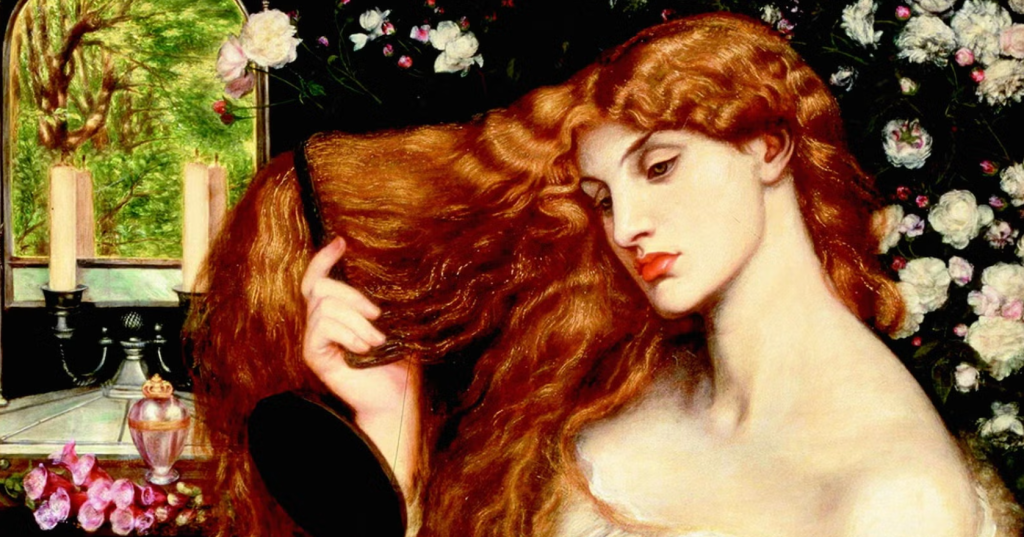
There is a figure that keeps resurfacing in books, discussions, astrology, and modern reinterpretations of history. Her name is Lilith, and she seems to change face every time someone tells her story. Now… a clarification is necessary right away, because over these thousands of years an incredible number of legends have been built around Lilith.…
-
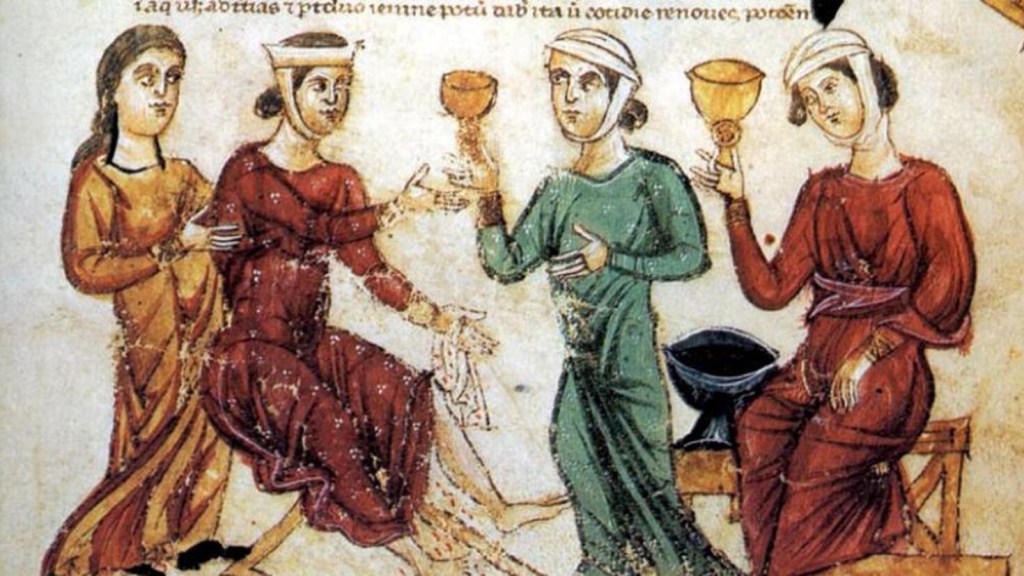
And if I told you that they did, how would you react?Yes, it was a harsh era… austere… so much so that perhaps someone needed to get high… or perhaps not.Maybe drugs, as we understand them today, were not meant to get people “high” at all… but let’s take this one step at a time.…
-
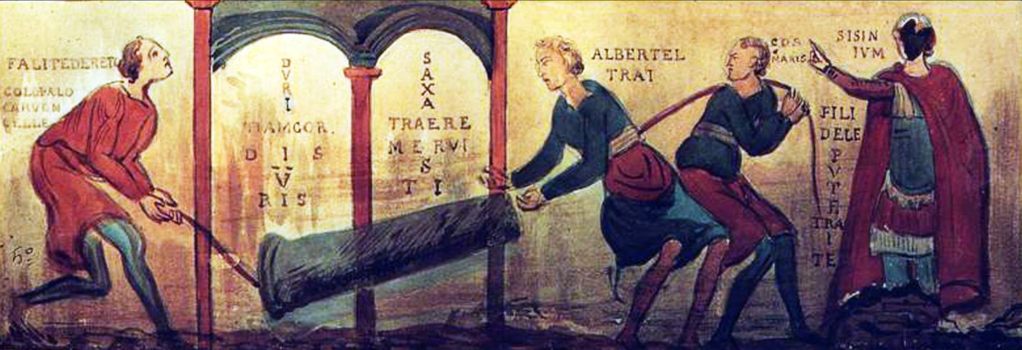
You probably think that swearing is a modern invention. That profanity belongs to us, the enlightened, irreverent present, and that in the Middle Ages, for instance, not only was it impossible, but it was actually quite likely that God would strike you down from the sky and set you on fire. Well, no. In the…
-
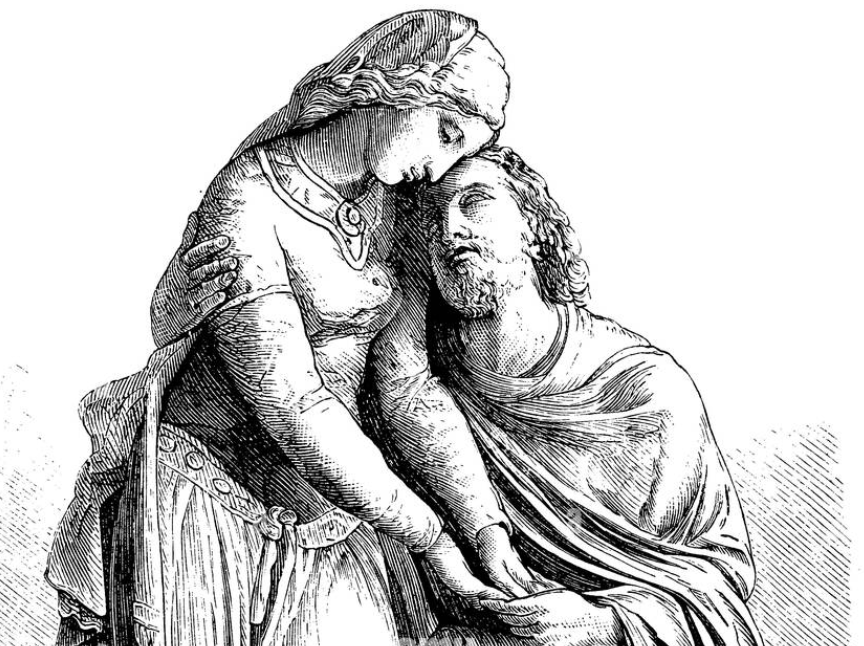
When the name Heloise is spoken, collective memory almost automatically turns to another figure: Pierre Abélard. Their love story, overwhelming, scandalous, tragic, has, over time, become one of the founding myths of Western romantic imagination. Yet to stop there is to betray precisely what makes Heloise an exceptional figure. For Heloise is not merely the…
-
Quando si pronuncia il nome di Eloisa, la memoria collettiva corre quasi automaticamente a un’altra figura: Pietro Abelardo.La loro storia d’amore, travolgente, scandalosa, tragica, è diventata nel tempo uno dei grandi miti fondativi dell’Occidente sentimentale. Ma fermarsi lì significa tradire proprio ciò che rende Eloisa una figura eccezionale. Perché Eloisa non è solo una protagonista…
-

Objects, as we know, travel through time. And sometimes monuments or chronicles are not needed: a single line of ink, a signature, a motto slipped into the margin of a book is enough to bring back to the surface, after five centuries, a truth of identity. In the first part (here), we followed the most…
-
Gli oggetti, si sa, viaggiano nel tempo. E a volte non servono monumenti, né cronache: basta una riga d’inchiostro, una firma, un motto infilato nel margine di un libro per far riaffiorare, dopo cinque secoli, una verità di identità. Nella prima parte (qui per leggerlo) abbiamo seguito la traccia più criptica: “sans removyr elyzabeth”, vergata…
-

When we think of Christmas, we most often think of the tree, Santa Claus, lights, and huge family tables filled with laughter and arguments (yes, that happens too, let’s admit it peacefully!). But in the Middle Ages, how was Christmas experienced? First of all, Christmas festivities did not begin on December 8 as they do…
-

Objects, as we know, travel through time. They retain something of us, something we chose to imprint so that our children, our grandchildren, and all those who come after us might understand who we truly were. Sometimes a single book, a line, a signature, a motto… is enough to cry out to the world, centuries…
-
Gli oggetti, si sa, viaggiano nel tempo. In loro resta sempre qualcosa di noi, qualcosa che abbiamo voluto imprimere affinché i nostri figli, i nipoti e tutti quelli dopo di noi capissero chi davvero fossimo.A volte basta un libro con una frase, con una firma, con un motto… per urlare al mondo, dopo secoli, chi…
 Beyond Death