england
-

When we think of Christmas, we most often think of the tree, Santa Claus, lights, and huge family tables filled with laughter and arguments (yes, that happens too, let’s admit it peacefully!). But in the Middle Ages, how was Christmas experienced? First of all, Christmas festivities did not begin on December 8 as they do…
-

If today a doctor told you, “To understand what’s wrong with you, let me examine your urine… under the light of the Moon,” you would probably run for your life. In the Middle Ages, however, not only would you not have been scandalised… you would have considered the request perfectly normal.For centuries, in fact, the…
-
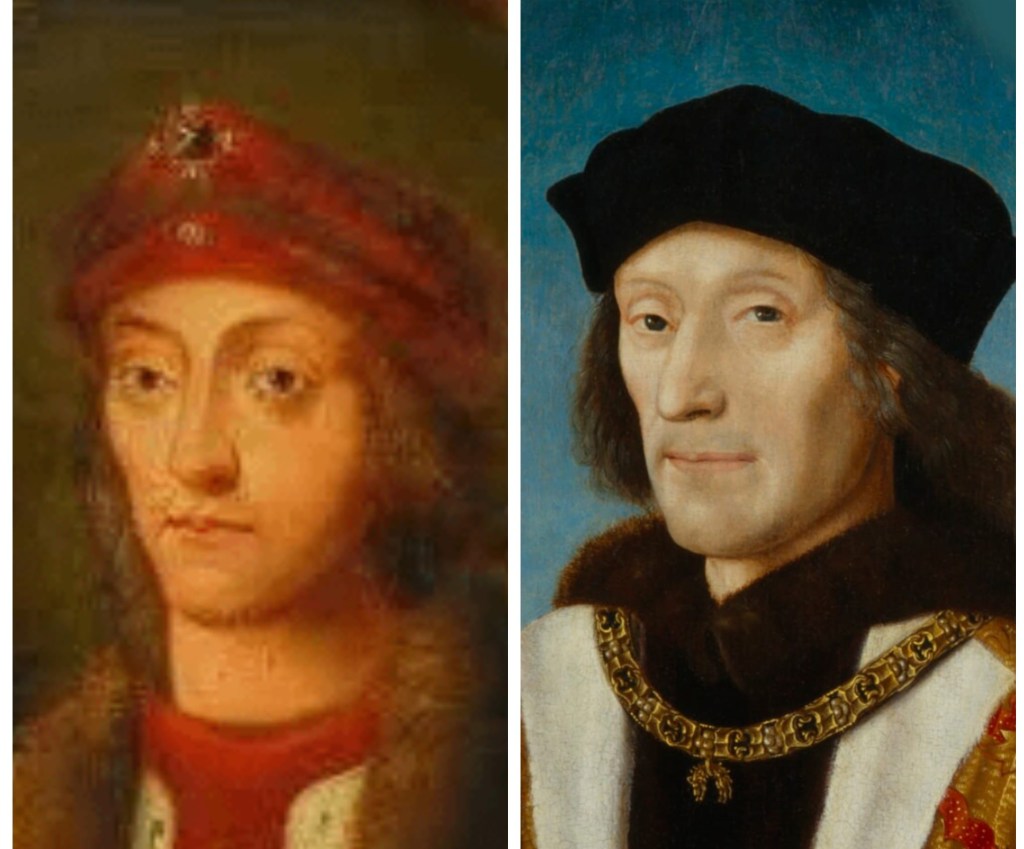
Once upon a time, there was a child, born around 1474 in Brittany, who, after the assassination of Richard III at Bosworth, lived at the court of the new king, Henry VII, as a trusted knight of the Tudors. He died in 1535, leaving behind a trail of whispers that still echo today: who was…
-

“History is written by the victors.” And never has this phrase been truer especially when it comes to Richard III. For centuries, Richard’s name has been synonymous with tyranny, treachery, and cruelty. A deformed king, power-hungry, even capable of murdering his own nephews just to cling to the throne. This is the image etched in…
-

If I were to mention these two names: Richard III and Harald Sigurdsson, you might not immediately see why I have chosen to place them together in the same sentence. And yet, these two kings have far more in common than one might imagine. History is filled with rulers whose greatness was overshadowed by the…
-

How many times have we felt like we knew a place we had never visited or had a special connection with someone we just met? Or perhaps we’ve noticed striking resemblances to a historical figure or felt an inexplicable urge to act in ways that seem to belong to another era. Of course, we’d all…
-

Era il 4 febbraio 2013. Le 11:00 stavano per arrivare e all’Università di Leicester c’era un fermento palpabile. In quella sala erano presenti giornalisti, storici, appassionati, scienziati… tutti, proprio tutti, pronti a testimoniarlo. Torniamo indietro di sei mesi. IL 25 Agosto 2012, sotto il freddo cemento di un parcheggio privato a Leicester, veniva rinvenuto uno…
-
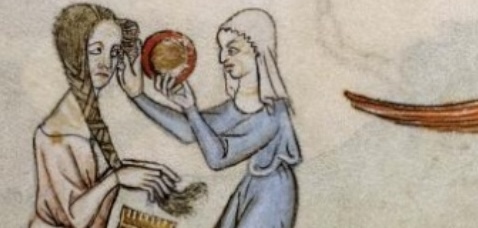
In the Middle Ages, kings and queens used perfumes both to distinguish themselves and for hygienic purposes. However, the fragrances of the time were generally simple, often derived from natural ingredients that were either locally sourced or imported from distant lands. There is historical evidence and references to the use of perfumes, essential oils, and…
-
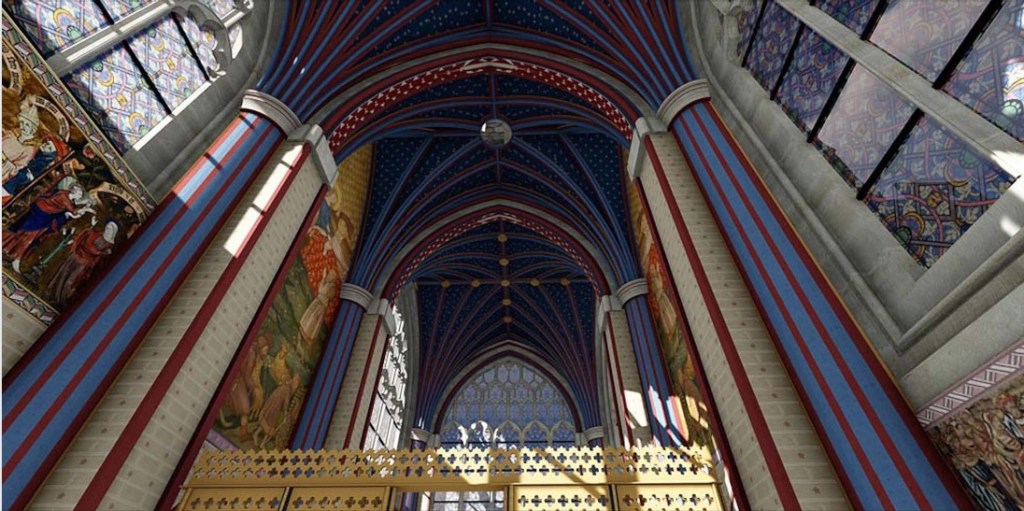
After his death, the body of Richard III was taken to Leicester, naked and with his hands bound in front of him, as if he were the worst of traitors. His body bore the marks of the blows inflicted by the Tudor mercenaries and the treacherous Stanleys, along with numerous post-mortem wounds, deliberate acts of…
-
Jewels have always been objects of immense value, and in the Middle Ages, they were also said to possess magical properties. It was believed they gathered a special energy capable of protecting those who wore them. Additionally, they were often ground into powder and used as medicine, an arguable practice, but who knows, maybe it…
 Beyond Death