elizabeth of york
-

Objects, as we know, travel through time. And sometimes monuments or chronicles are not needed: a single line of ink, a signature, a motto slipped into the margin of a book is enough to bring back to the surface, after five centuries, a truth of identity. In the first part (here), we followed the most…
-

When we think of Christmas, we most often think of the tree, Santa Claus, lights, and huge family tables filled with laughter and arguments (yes, that happens too, let’s admit it peacefully!). But in the Middle Ages, how was Christmas experienced? First of all, Christmas festivities did not begin on December 8 as they do…
-

Objects, as we know, travel through time. They retain something of us, something we chose to imprint so that our children, our grandchildren, and all those who come after us might understand who we truly were. Sometimes a single book, a line, a signature, a motto… is enough to cry out to the world, centuries…
-
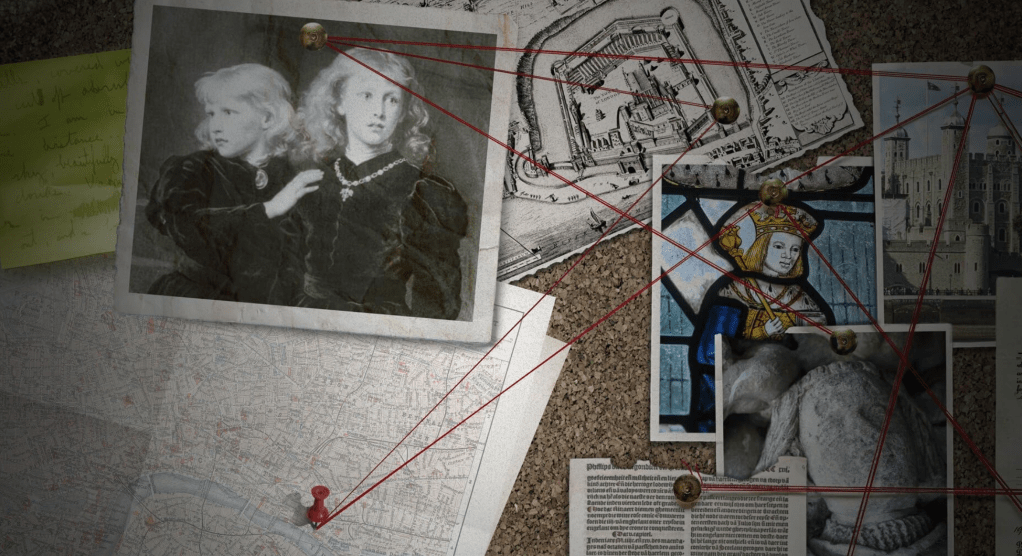
For centuries, it has been taught that Richard III, the last king of the House of York, was the murderer of his nephews. Two children, Edward and Richard, locked in the Tower of London in 1483 and never seen again. “They disappeared,” they said… but in the history books, the accusation has always been clear:…
-

Have you ever felt like you deeply belong to something or someone?Like you’ve already seen an object, or you know someone deeply even though you’ve never truly met?Like you’ve had déjà vu or the feeling of already having been in a place… seen those eyes before, known that voice, even though you’ve never seen that…
-
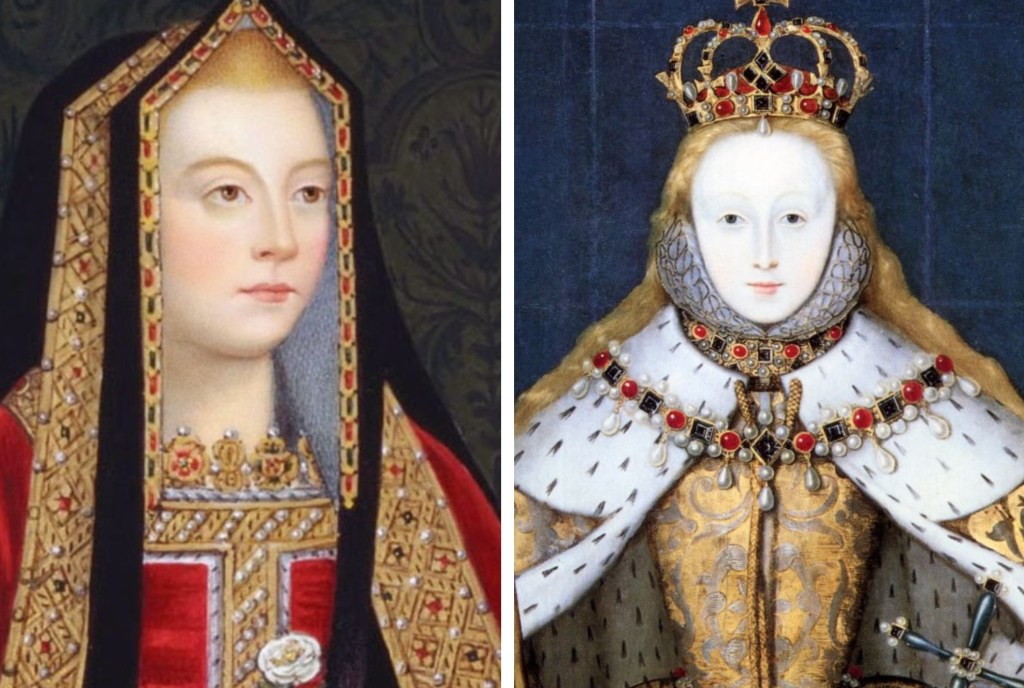
There is something extraordinarily symbolic in the story of Elizabeth of York and her niece, Elizabeth I. Two women, same name, same blood. One at the dawn, the other at the dusk of the Tudor dynasty. And exactly one hundred years lie between them. Elizabeth of York died in 1503. Elizabeth I in 1603. A…
-
C’è qualcosa di straordinariamente simbolico nella storia di Elizabeth di York e di sua nipote Elizabeth I. Due donne, stesso nome, stesso sangue. Una all’alba, l’altra al tramonto della dinastia Tudor. E tra loro intercorrono esattamente cento anni. Elizabeth di York morì nel 1503. Elizabeth I nel 1603. Un secolo esatto. Come se il tempo…
-
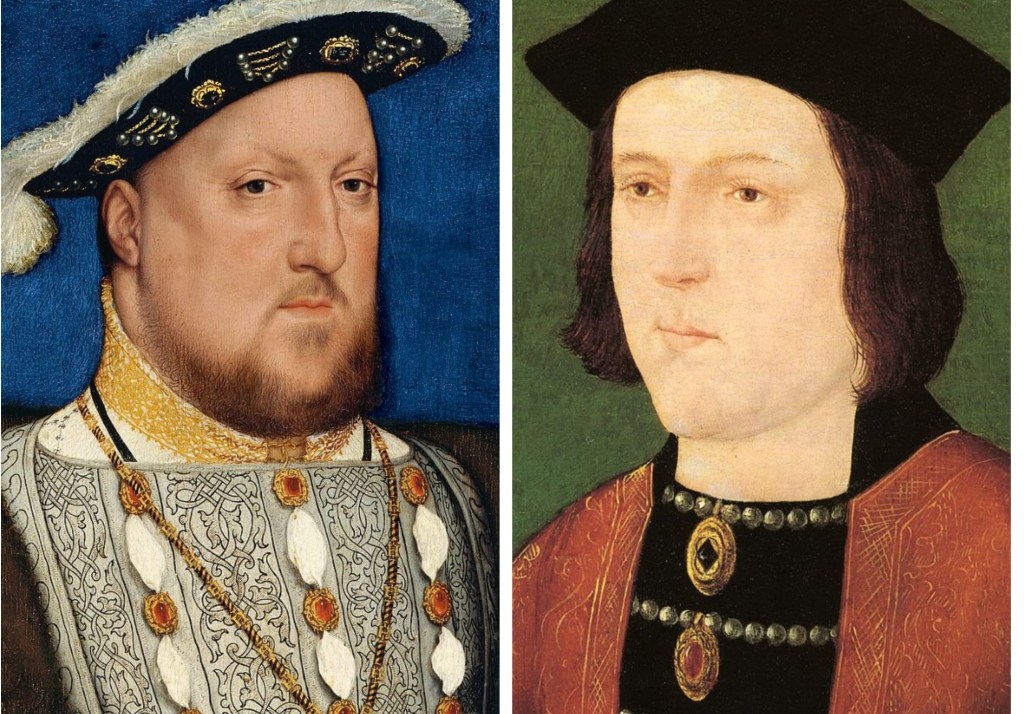
So… sit back and get comfortable, because we all know Henry VIII, right? A big, burly man… red hair… six wives, a split-in-two England, and an appetite for power (and food) that would make any living—or dead—human pale in comparison…? Got the image? Good! But perhaps few remember that before him, there was his grandfather……
-

WARNING: LONG POST – Reading time: 5 minutes if you read fast 😀 I often hear people say that the marriage between Elizabeth of York and Henry VII was, despite being political, also a love match. Apparently, he was deeply attached to his wife, respected her, and when she died, he spent a fortune on…
-

It was around 9 p.m. when Elizabeth died. After giving birth to her daughter Katherine, she endured almost two weeks of agony, excruciating pain, fever, and relentless hemorrhages led her to her death on February 11, 1503. February 11 was also her birthday. She had just turned 37. Elizabeth was the eldest daughter of King…
 Beyond Death